5600 Palm Lake Circle, Orlando Fl. 32819
info@ipircm.com
877-422-7221

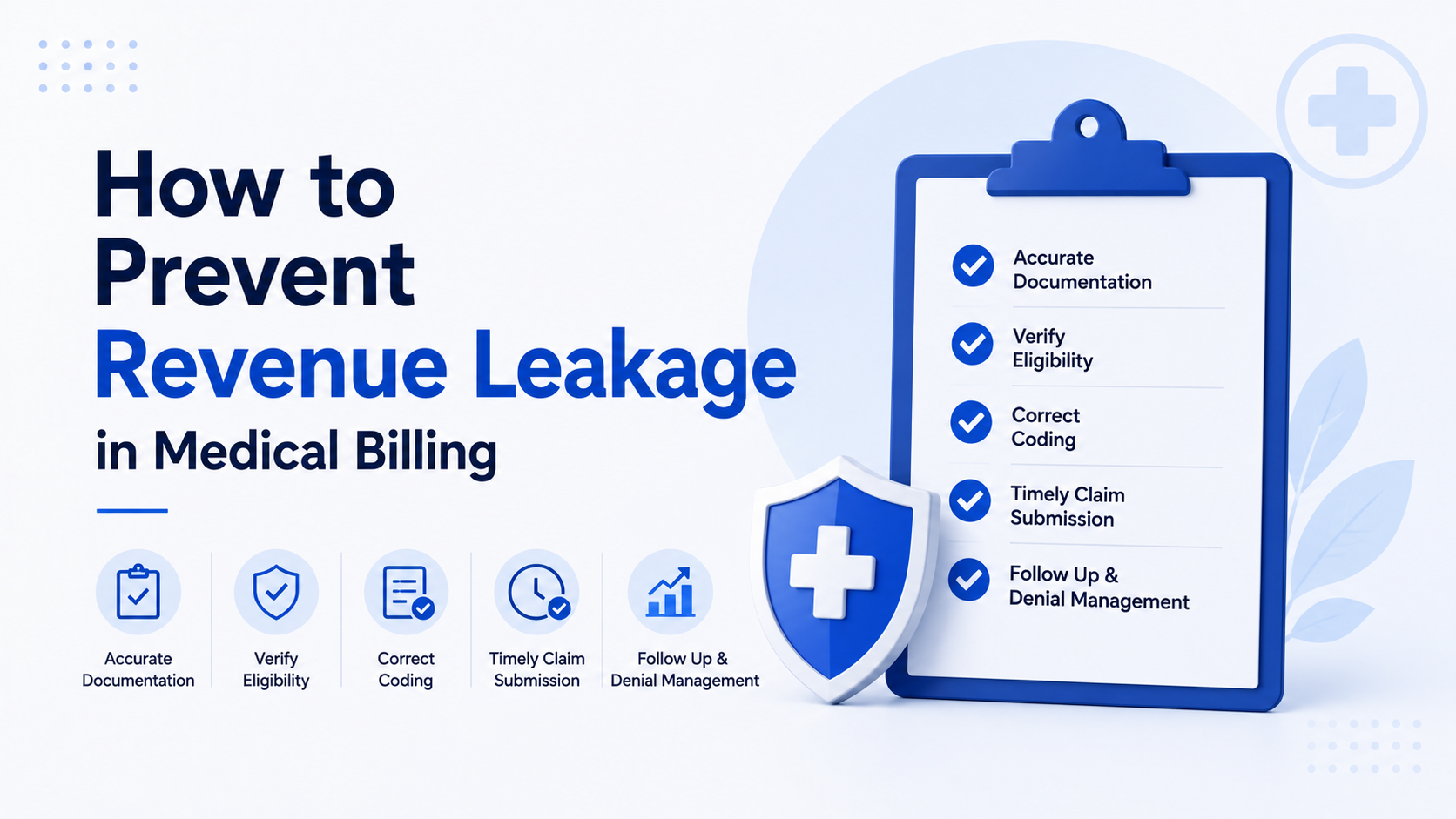
Many healthcare practices lose thousands of dollars every month without realizing where the money is going. Small billing mistakes, delayed claims, coding issues, and missed follow-ups can slowly reduce revenue over time.
In many cases, these financial losses continue unnoticed until they begin affecting the overall profitability of the practice.
Revenue leakage usually happens because of multiple small problems across the billing process instead of one major issue. Identifying these weak areas early can help healthcare providers improve collections and maintain a healthier cash flow.
Revenue leakage happens when healthcare providers lose expected income because of errors or gaps in the medical billing process. This can happen before, during, or after claims are submitted to insurance companies.
Some revenue losses are easy to notice, while others continue quietly in the background for months. Over time, these problems can seriously affect the financial performance of a healthcare practice.
Wrong patient details are one of the most common causes of billing problems. Errors in names, insurance ID numbers, or contact information can lead to denied claims and delayed reimbursements.
Front desk staff should verify patient information during every visit to reduce claim submission errors and improve billing accuracy.
Submitting claims late can create major revenue loss for healthcare providers. Insurance companies have strict filing deadlines, and missed deadlines often result in unpaid claims.
Practices should have a clear workflow for claim processing to make sure claims are submitted quickly and accurately.
Medical coding mistakes can affect reimbursement amounts or cause claims to be rejected completely. Using incorrect CPT or ICD codes may also trigger audits and payment delays.
Accurate coding and regular claim reviews help healthcare providers reduce denials and improve payment collection.
Insurance verification problems often lead to unpaid claims and patient billing disputes. If coverage details are not checked before treatment, practices may later discover that services are not covered.
Proper insurance verification helps practices avoid unexpected denials and improves financial stability.
Many healthcare practices lose revenue because denied claims are not followed up properly. Some claims are left unresolved for too long, while others are never resubmitted.
A strong denial management process helps practices recover payments that might otherwise be lost permanently.
Revenue leakage does more than reduce income. It also increases administrative workload and slows down payment collection.
When billing problems continue for long periods, healthcare practices may struggle with:
Even small billing errors can create large financial losses over time if they are not corrected quickly.
Healthcare practices can reduce revenue leakage by improving billing accuracy and strengthening internal processes.
Front desk staff play an important role in the billing process. Accurate patient registration, insurance verification, and appointment scheduling help reduce claim submission errors.
Small improvements in front desk workflows can significantly lower denial rates and improve payment collection.
Fast and accurate claim submission helps healthcare practices avoid filing deadline issues and payment delays. Delayed claims often increase denial risks and slow down reimbursements.
Practices should regularly monitor claim submission timelines to maintain consistent cash flow.
Reviewing denial reports helps practices identify repeated billing problems and workflow weaknesses. Tracking denial trends can help management improve billing accuracy and reduce repeated mistakes.
Regular reporting also helps healthcare providers identify areas where additional staff training may be needed.
Correct medical coding is essential for proper reimbursement. Coding mistakes can reduce payments, delay claims, or create compliance issues.
Healthcare practices should regularly review coding accuracy and stay updated with changing coding guidelines.
Strong billing processes help healthcare practices reduce financial losses and improve long-term stability. Organized workflows, faster claim handling, and accurate patient information all contribute to better revenue performance.
Practices that regularly monitor their billing operations are usually better prepared to identify revenue leakage before it becomes a larger financial problem.
Revenue leakage can quietly reduce the profitability of a healthcare practice if billing problems are not addressed early. Improving billing accuracy and claim management can help providers reduce losses and increase collections.
IPIRCM helps healthcare providers across the USA with professional revenue cycle management services. The company supports practices with better billing workflows, reduced claim denials, and improved payment collection to strengthen overall financial performance.


“We built IPIRCM to set standards, not follow trends — helping your practice move forward without limits.”
We didn't build these companies to follow trends — we built them to set standards. From IPIPAK's trusted BPO, to IPIRCM's full-cycle U.S. medical billing, to IPITECHNO's cutting-edge IT solutions, every company exists to move your business forward without limits.
Together we are more than three brands. We are one vision: to make business simpler, faster, and stronger for those who dare to grow. It is an honor to lead this group — and a greater honor to serve you.