5600 Palm Lake Circle, Orlando Fl. 32819
info@ipircm.com
877-422-7221

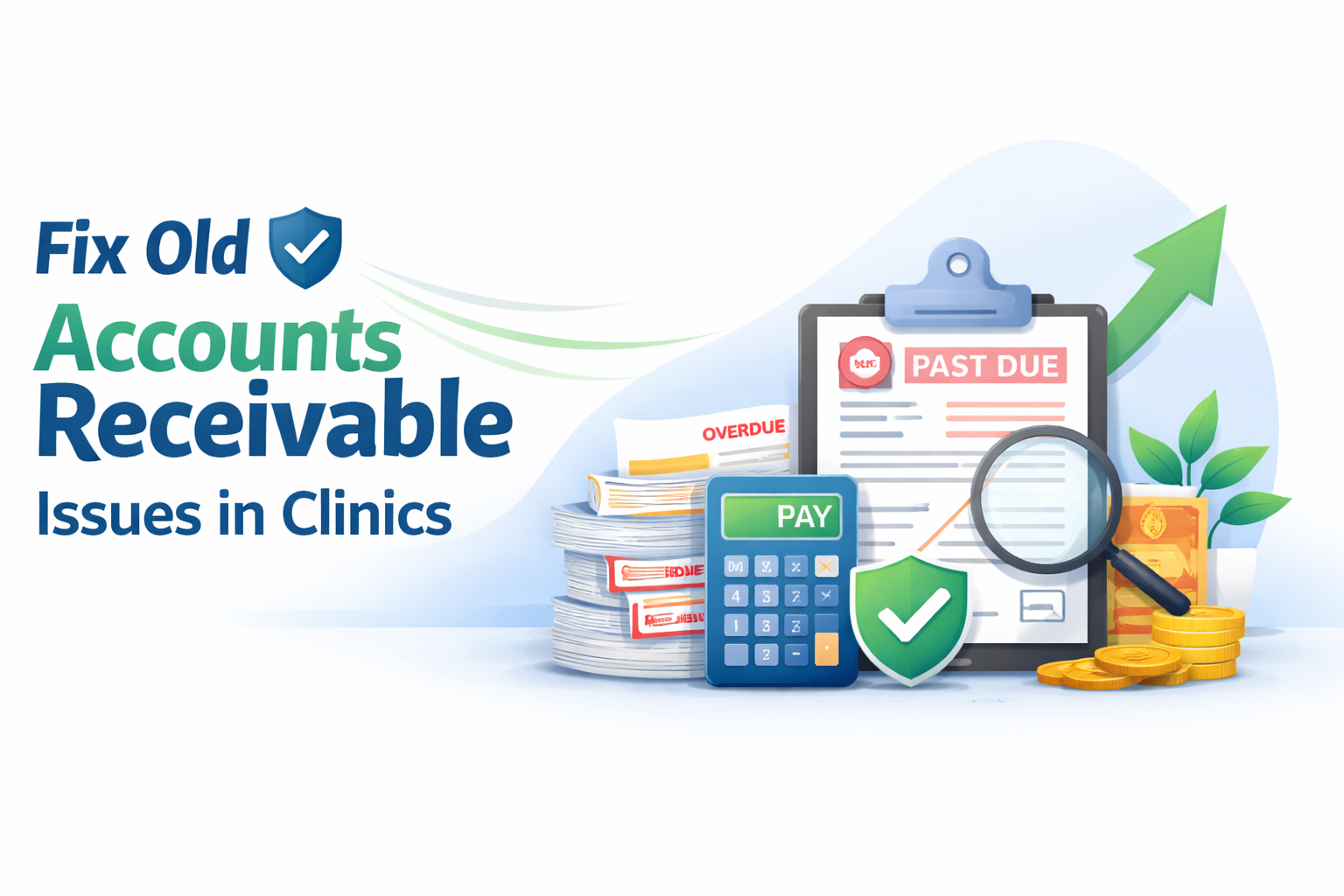
Old accounts receivable (AR) means payments that are still unpaid after a long time, usually 90 days or more. In clinics, this often happens due to denied claims, billing mistakes, or missed follow-ups.
When AR gets old, it slows down your cash flow. Money that should be coming in gets stuck, making it harder to manage daily expenses and growth.
This blog will show you simple, practical ways to fix old AR and prevent it from building up again.
Old accounts receivable are payments that have not been collected within a set time, usually over 90 days. These can include unpaid insurance claims or patient balances.
In clinics, AR becomes old for many reasons like claim denials, incorrect billing details, or delays from insurance companies. Sometimes, it’s simply due to lack of follow-up.
It’s important to understand that not all old AR is the same. Some amounts can still be recovered with proper action, while others may turn into bad debt if ignored for too long.
Old accounts receivable usually build up because of avoidable issues in the billing and collection process:
Old accounts receivable can affect a clinic’s financial health and daily operations. Delayed or missing payments create cash flow issues and make it harder to manage expenses. Staff also spend extra time following up on old claims, reducing overall efficiency.
Over time, unpaid balances can turn into bad debt and lead to revenue loss. It can also impact patient relationships when repeated reminders or billing issues cause frustration.
Not all unpaid claims are worth the same level of effort. Some accounts have a much higher chance of improving cash flow if recovered quickly.
Focus first on high-value claims that can make a real financial impact on your clinic. These are usually large insurance payments or long-pending cases with complete documentation.
At the same time, avoid spending too much time on very small balances that cost more to recover than they are worth. The goal is to recover maximum revenue in minimum time by working smarter, not harder.
Denied claims often make up a large portion of old AR, but many are still recoverable.
Start by checking the denial reason, such as missing documents, coding errors, or eligibility issues. Fix the problem and resubmit the claim with correct details.
If the denial is incorrect, file a proper appeal with all supporting documents. Quick action improves the chance of payment recovery before the claim becomes too old.
A weak follow-up process is one of the main reasons old AR builds up in clinics.
Set a clear schedule to track unpaid claims regularly instead of checking them randomly. Follow up with insurance companies and patients on a fixed timeline so nothing gets ignored.
Assign responsibility to specific staff members so every claim has an owner. This improves accountability and ensures claims are not left unattended.
Consistent follow-up helps reduce delays and keeps receivables from turning into long-term outstanding balances.
Patient balances can quickly turn into old AR if the collection process is not clear and consistent.
Make sure patients understand their financial responsibility at the time of service. Clear communication reduces confusion and delays later.
Offer simple payment options such as installment plans or multiple payment methods to make it easier for patients to clear their dues.
Regular and respectful reminders also help in improving collection rates without harming patient relationships.
RCM tools help clinics manage billing and collections in a more organized and efficient way.
They automate tasks like claim tracking, payment posting, and follow-up reminders, reducing the chances of missed or delayed actions.
These systems also provide real-time reports, making it easier to spot old AR and take quick action. With better visibility and automation, clinics can reduce errors and improve cash flow.
Not every outstanding balance can be recovered. Some claims become too old or are repeatedly denied despite multiple follow-ups.
In such cases, it is better to write off these accounts after proper review. This helps clean up your AR records and gives a clearer picture of actual recoverable revenue.
Make sure write-offs are done carefully and with approval, so only truly uncollectible amounts are removed. This keeps your financial reporting accurate and realistic.
Preventing old AR is easier than fixing it later. Strong billing checks can reduce errors before claims are even submitted.
Review claims for accuracy before submission, including coding, patient details, and insurance eligibility. This helps avoid common rejection reasons.
Train staff regularly so they stay updated on billing rules and payer requirements. Even small improvements in accuracy can significantly reduce future receivables issues.
Preventing old accounts receivable is more effective than fixing it later. A strong system keeps payments flowing smoothly.
Sometimes internal efforts are not enough to manage old accounts receivable. Hiring professional AR recovery services can be the solution.
Consider outsourcing if a large portion of your AR is over 120 days old, or if your team struggles to keep up with follow-ups. Complex insurance denials or repeated claim rejections are also signs to get expert help.
Professional services bring experience, tools, and dedicated staff to recover payments faster, helping your clinic improve cash flow without overloading internal teams.
Old accounts receivable can quietly affect a clinic’s cash flow, efficiency, and overall financial stability. The key is to take a structured approach by identifying root causes, recovering collectible amounts, and preventing future buildup through stronger systems.
Fixing AR is not a one-time task but an ongoing process that requires consistency and proper tools. Clinics that actively manage their receivables stay financially healthier and more stable in the long run.
If managing old AR becomes difficult internally, expert support can make a significant difference. iPIRCM provides specialized accounts receivable management services designed to help clinics recover outstanding payments, reduce aged AR, and improve overall revenue cycle performance.


“We built IPIRCM to set standards, not follow trends — helping your practice move forward without limits.”
We didn't build these companies to follow trends — we built them to set standards. From IPIPAK's trusted BPO, to IPIRCM's full-cycle U.S. medical billing, to IPITECHNO's cutting-edge IT solutions, every company exists to move your business forward without limits.
Together we are more than three brands. We are one vision: to make business simpler, faster, and stronger for those who dare to grow. It is an honor to lead this group — and a greater honor to serve you.