5600 Palm Lake Circle, Orlando Fl. 32819
info@ipircm.com
877-422-7221

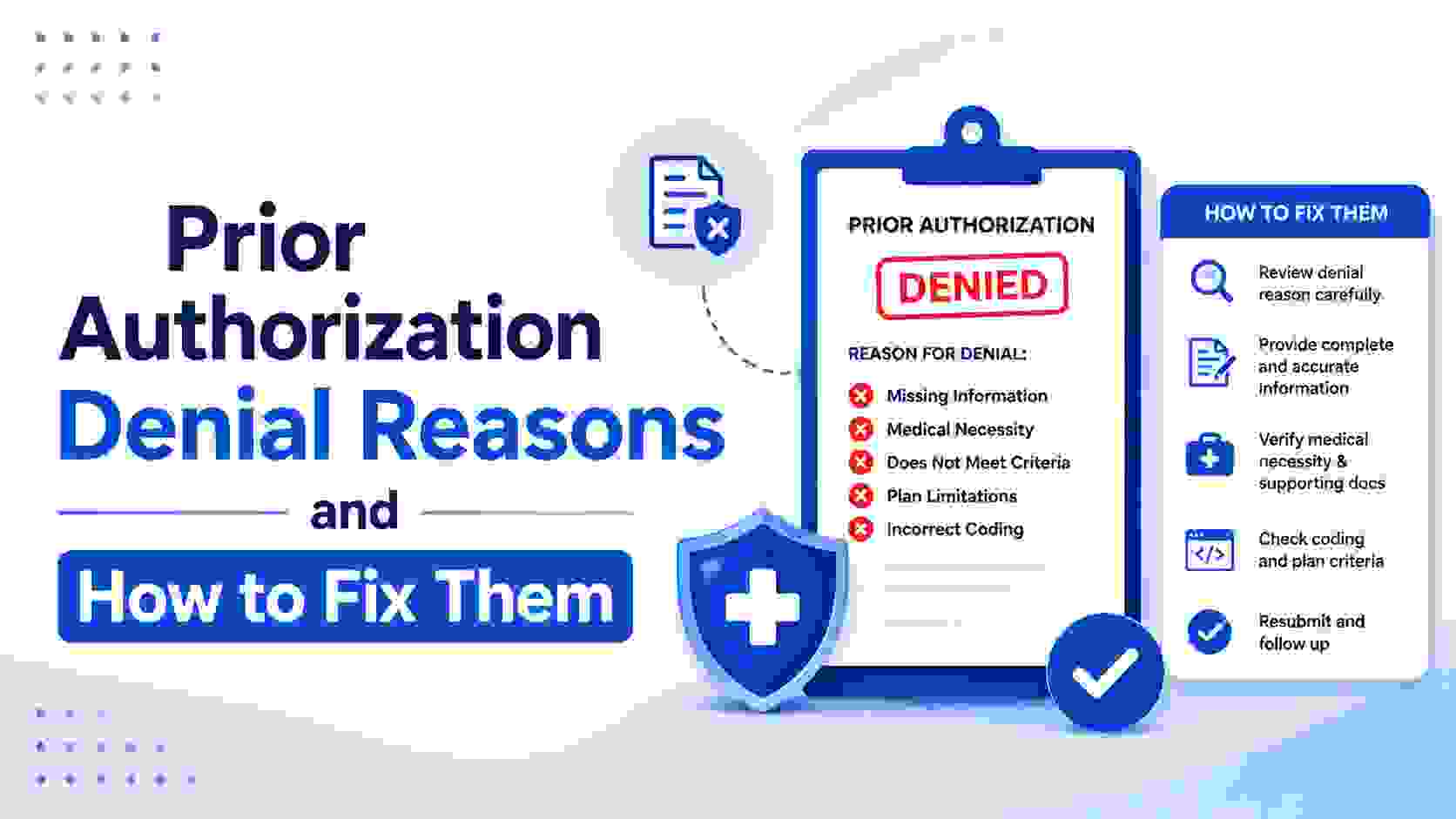
Prior authorization is meant to confirm that a service is medically necessary before it happens. In practice, it has become one of the biggest sources of delayed payments and lost revenue for medical practices. A single missed field, an outdated code, or a payer policy update that nobody caught can turn a routine approval into a denied claim and a frustrated patient.
Understanding why prior authorization requests get denied, and fixing the root cause instead of just resubmitting, is what separates practices with clean cash flow from those chasing appeals every month.
Payers have tightened their utilization review processes over the last few years. Rules change quarterly, documentation requirements vary by plan, and staff at the front desk are often expected to keep track of all of it manually. The result is a growing list of avoidable denials that cost practices time, staff hours, and reimbursement.
Common downstream effects include:
Small errors in demographic or insurance details are one of the most common triggers for denial. A mismatched date of birth, an old insurance ID, or a misspelled name can stop a request before it even reaches clinical review.
How to fix it: Verify eligibility and demographics at every visit rather than relying on what’s already on file. Cross-check the insurance ID, group number, and policy dates against the payer portal before submission, and build a simple front-desk checklist so this step isn’t skipped during busy hours.
Payers deny a large share of requests simply because the submitted notes don’t support medical necessity. This usually happens when documentation is generic instead of specific to the payer’s criteria.
How to fix it:
Coding errors, including outdated codes, mismatched diagnosis-procedure pairing, or missing modifiers, are a frequent and entirely preventable denial reason.
How to fix it: Review CPT and ICD-10 code sets against current payer guidelines on a quarterly basis, and confirm that diagnosis codes actually support the medical necessity of the requested procedure. Having a certified coder review submissions before they go out catches most of these errors before they become denials.
Some services require prior authorization even when a similar procedure previously didn’t. Staff sometimes assume approval isn’t needed based on past experience, which leads to a denial after the service has already been rendered.
How to fix it:
Sometimes the request itself doesn’t match what the payer considers medically appropriate for the diagnosis, such as requesting an inpatient stay when the payer’s criteria call for outpatient observation.
How to fix it: Review the payer’s level of care guidelines before submitting the request, and make sure the request type lines up with both the clinical documentation and the payer’s medical policy. Where available, payer criteria tools like InterQual or MCG can confirm whether the requested level of care fits the diagnosis.
Every payer has a specific window for prior authorization requests, and some require resubmission windows for appeals as well. Missing either one usually results in an automatic denial with limited recourse.
How to fix it: Track payer-specific submission and appeal deadlines in a shared calendar or system so nothing slips through unnoticed. Submit non-urgent requests well ahead of the scheduled service date, and assign a dedicated staff member to monitor pending and expiring authorizations.
Submitting more than one request for the same service, sometimes from different departments within the same practice, can trigger an automatic denial or delay resolution.
How to fix it: Centralize prior authorization submissions through one department or system so requests aren’t duplicated across teams. Before submitting a new request, search existing authorization records, and keep communication open between the front desk, billing, and clinical staff.
Payers update their prior authorization lists and criteria frequently, sometimes without much notice. A service that didn’t need authorization last quarter might require it now.
How to fix it:
Beyond fixing individual denial reasons, a few structural changes make a lasting difference:
Even with strong processes, some denials are unavoidable. When they happen, start by reading the denial reason code carefully rather than assuming what went wrong. Gather all supporting documentation the payer requires for the appeal, submit it within the payer’s specified timeframe, and follow up if there’s no response within the expected window.
Treating every denial as a data point, not just a task to close, helps practices identify weak spots in their workflow before they cause repeat losses.
Chasing prior authorization denials takes time away from patient care and drains staff resources that could be used elsewhere. At IPIRCM, our Denial Management service is built to catch authorization issues before they turn into lost revenue, track payer requirements as they change, and manage appeals promptly so your practice gets paid for the care it delivers. If prior authorization denials are slowing down your reimbursements, reach out to IPIRCM at 877-422-7221 or visit ipircm.com to schedule a free consultation and see how our Denial Management service can streamline your billing process.


“We built IPIRCM to set standards, not follow trends — helping your practice move forward without limits.”
We didn't build these companies to follow trends — we built them to set standards. From IPIPAK's trusted BPO, to IPIRCM's full-cycle U.S. medical billing, to IPITECHNO's cutting-edge IT solutions, every company exists to move your business forward without limits.
Together we are more than three brands. We are one vision: to make business simpler, faster, and stronger for those who dare to grow. It is an honor to lead this group — and a greater honor to serve you.