5600 Palm Lake Circle, Orlando Fl. 32819
info@ipircm.com
877-422-7221

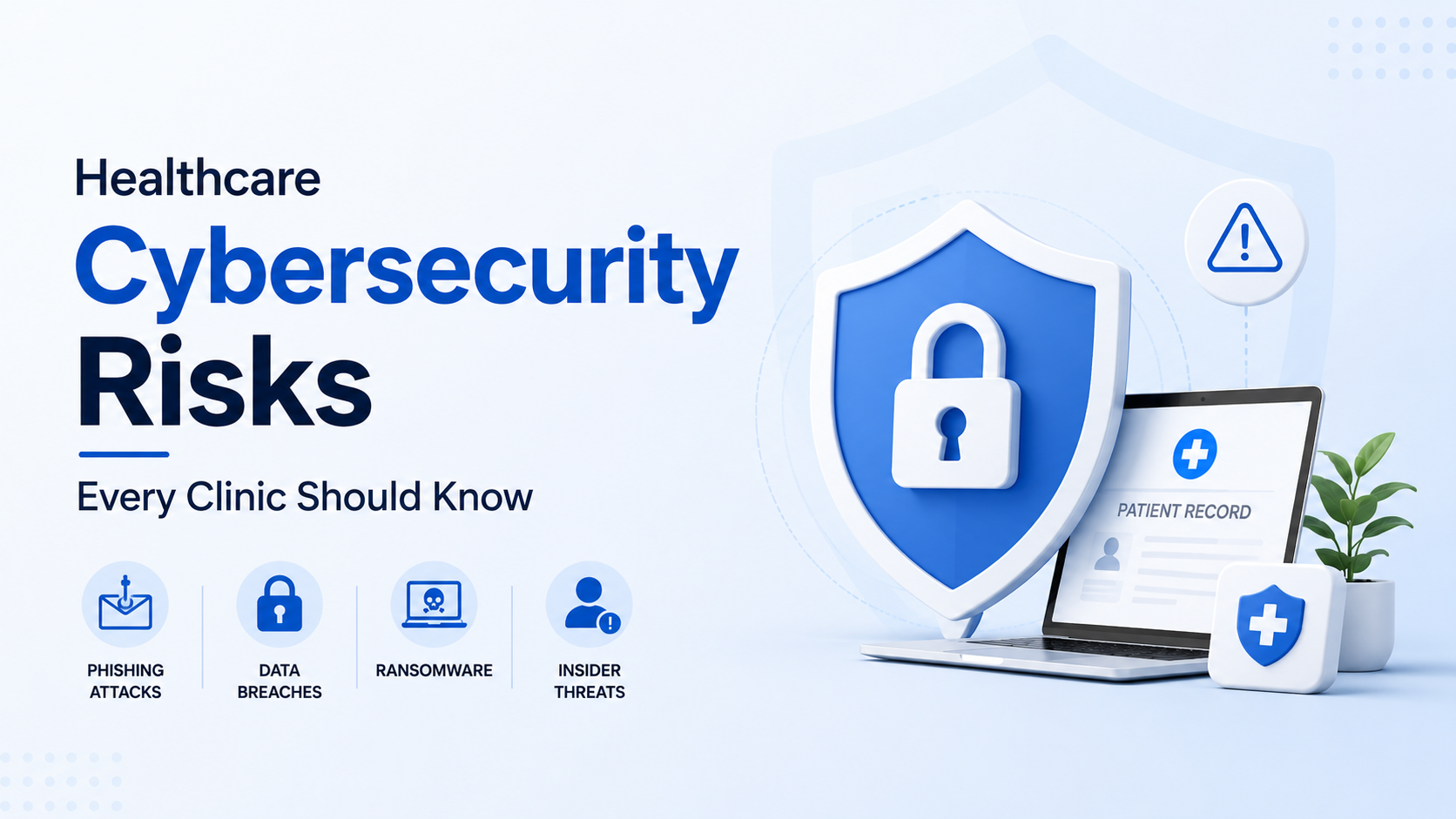
Healthcare organizations are increasingly dependent on digital technologies to manage patient records, process insurance claims, coordinate care, and streamline administrative operations. While these advancements improve efficiency, they also expose clinics and healthcare providers to a growing number of cybersecurity threats.
From ransomware attacks and data breaches to phishing scams and insider threats, cybercriminals continue to target healthcare organizations because of the valuable information they store. A single cybersecurity incident can disrupt operations, compromise patient trust, result in regulatory penalties, and cause significant financial losses.
For healthcare providers, cybersecurity is no longer just an IT concern; it is a critical business and compliance priority. Organizations must take proactive steps to protect sensitive patient information, maintain operational continuity, and ensure compliance with HIPAA and other healthcare regulations.
Healthcare organizations possess vast amounts of sensitive information, including patient medical records, insurance details, Social Security numbers, financial data, billing records, and provider credentials.
Unlike credit card information, medical records can be difficult to replace and often contain enough information to support identity theft, insurance fraud, and other financial crimes. As a result, healthcare data is highly valuable on the black market.
Additionally, many clinics operate with limited cybersecurity resources, making them attractive targets for cybercriminals seeking vulnerable systems.
Ransomware remains one of the most dangerous threats facing healthcare organizations today. In a ransomware attack, hackers encrypt critical files and demand payment in exchange for restoring access.
The consequences can be severe, ranging from loss of access to patient records and disrupted patient care to delayed billing operations, revenue loss, and regulatory investigations. For clinics that depend on electronic health records (EHRs) and digital billing systems, even a short outage can significantly impact operations and patient services.
Phishing attacks occur when cybercriminals use deceptive emails, messages, or websites to trick employees into revealing sensitive information or downloading malicious software.
These attacks often involve fake insurance company emails, fraudulent payment requests, credential theft attempts, or malware-infected attachments. Because healthcare employees handle large volumes of emails daily, clinics are particularly vulnerable to phishing schemes.
Regular cybersecurity awareness training is essential to help staff recognize and avoid these threats.
Healthcare data breaches can occur through hacking, stolen devices, unauthorized access, or system vulnerabilities. When a breach occurs, sensitive information such as patient health information (PHI), financial records, insurance details, and employee data may be exposed.
Beyond financial losses, data breaches can lead to legal consequences, regulatory penalties, reputational damage, and a loss of patient trust. Protecting patient information should remain a top priority for every healthcare organization.
Not all cybersecurity risks originate outside the organization. Employees, contractors, or vendors with access to sensitive systems may intentionally or unintentionally compromise data security.
Insider threats can involve unauthorized access to records, improper data sharing, weak password practices, or accidental disclosure of patient information. Implementing role-based access controls and monitoring user activity can significantly reduce these risks.
Weak or reused passwords continue to be a common cause of security breaches. Cybercriminals frequently exploit simple passwords, shared login credentials, and accounts that lack multi-factor authentication (MFA).
Healthcare organizations should enforce strong password policies, require regular password updates, and implement MFA across all critical systems to strengthen security.
Modern healthcare facilities rely heavily on connected medical devices, including patient monitoring systems, imaging equipment, smart infusion pumps, and telehealth platforms.
If these devices are not properly secured, they can become entry points for cyberattacks. Regular software updates, network monitoring, and strong security controls are essential to protect connected equipment and the data they process.
Healthcare providers often depend on external vendors for services such as medical billing, revenue cycle management, cloud storage, EHR software, and insurance verification.
A security weakness within a third-party vendor can expose healthcare organizations to substantial risks. Clinics should carefully evaluate vendors’ cybersecurity practices, compliance standards, and data protection measures before sharing sensitive information.
Working with experienced and security-conscious partners such as IPIRCM can help healthcare organizations maintain compliance and reduce operational risks throughout the revenue cycle.
Cloud-based healthcare systems offer flexibility and scalability, but improper configuration can create significant security gaps.
Common issues include misconfigured databases, unauthorized access permissions, insufficient encryption, and weak access controls. Healthcare organizations should ensure their cloud environments follow industry security standards and regulatory requirements.
Business Email Compromise is a growing threat in healthcare. Attackers impersonate executives, vendors, or business partners to trick employees into transferring funds or sharing confidential information.
These attacks can result in financial losses, stolen credentials, data exposure, and billing fraud. Establishing verification procedures for financial transactions and sensitive information requests can help prevent costly mistakes.
Cybersecurity and compliance are closely connected in healthcare. Failure to adequately protect patient data may result in violations of HIPAA regulations, state privacy laws, and other data protection requirements.
Non-compliance can lead to substantial financial penalties, legal consequences, and reputational harm. Regular security assessments and compliance reviews help organizations identify vulnerabilities before they become serious issues.
Cybersecurity incidents can significantly disrupt healthcare financial operations and create challenges throughout the revenue cycle. These disruptions can affect billing accuracy, payment timelines, and overall organizational performance. Healthcare organizations may experience delays, inefficiencies, and financial setbacks when critical systems are compromised or become unavailable.
These risks highlight the importance of partnering with organizations that prioritize both operational efficiency and data security.
Healthcare organizations can significantly reduce cyber risks by implementing a proactive cybersecurity strategy.
Routine security evaluations help identify vulnerabilities before attackers can exploit them and provide valuable insights into areas that require improvement.
Employees are often the first line of defense against cyber threats. Training should focus on recognizing phishing attempts, maintaining password security, handling sensitive data appropriately, and reporting suspicious activity promptly.
Multi-factor authentication adds an extra layer of protection by requiring users to verify their identity through more than one authentication method.
Encryption helps protect patient information during storage and transmission, reducing the risk of unauthorized access if data is intercepted or compromised.
Keeping software, operating systems, and security tools updated helps eliminate known vulnerabilities that cybercriminals frequently target.
Secure and regularly tested backups enable organizations to recover quickly from ransomware attacks, system failures, or other disruptions.
Role-based access controls ensure employees can only access the information necessary for their responsibilities, reducing the risk of unauthorized exposure.
Healthcare organizations need trusted partners that understand both revenue cycle management and data security requirements.
IPIRCM supports providers through a comprehensive range of services, including:
By implementing secure processes and maintaining compliance-focused workflows, IPIRCM helps healthcare organizations improve financial performance while supporting data protection efforts.
Cybersecurity threats continue to evolve, making proactive protection essential for every healthcare organization. From ransomware attacks and data breaches to phishing scams and compliance risks, clinics must take cybersecurity seriously to safeguard patient information and maintain uninterrupted operations.
Partnering with experienced healthcare revenue cycle experts can help strengthen both operational efficiency and risk management. IPIRCM provides secure, reliable medical billing and revenue cycle management services designed to help healthcare providers improve collections, reduce administrative burdens, and support compliance objectives.


“We built IPIRCM to set standards, not follow trends — helping your practice move forward without limits.”
We didn't build these companies to follow trends — we built them to set standards. From IPIPAK's trusted BPO, to IPIRCM's full-cycle U.S. medical billing, to IPITECHNO's cutting-edge IT solutions, every company exists to move your business forward without limits.
Together we are more than three brands. We are one vision: to make business simpler, faster, and stronger for those who dare to grow. It is an honor to lead this group — and a greater honor to serve you.